

Skills Kids Need for Kindergarten Readiness 📚👶🧩
Starting kindergarten is a major milestone in a child’s life 🎒🌟, marking the beginning of formal education and social development beyond the home. To thrive in this new environment, children need more than just academic knowledge—they require a balanced set of skills across multiple domains: academic , social-emotional , physical , self-care , and learning behaviors 🌈📚.
Below is a comprehensive overview of the key skills children should develop before entering kindergarten, supported by research and expert insights from trusted resources such as Understood.org, Scholastic, Child Mind Institute, and the National Center for Education Statistics (NCES).
📘 Academic Skills: Building the Foundation for Learning
While kindergarten is not about mastering academics, it introduces early literacy and numeracy concepts that form the base for future learning.
What Children Should Know:
- Recognize and name basic shapes 🟦🔴🔶
- Identify numbers 1–10, even when presented out of order #️⃣
- Speak in complete sentences and be understood most of the time 💬
- Make comparisons (e.g., big/small, under/over) ↔️
- Recognize letters of the alphabet and associate them with sounds 🔠
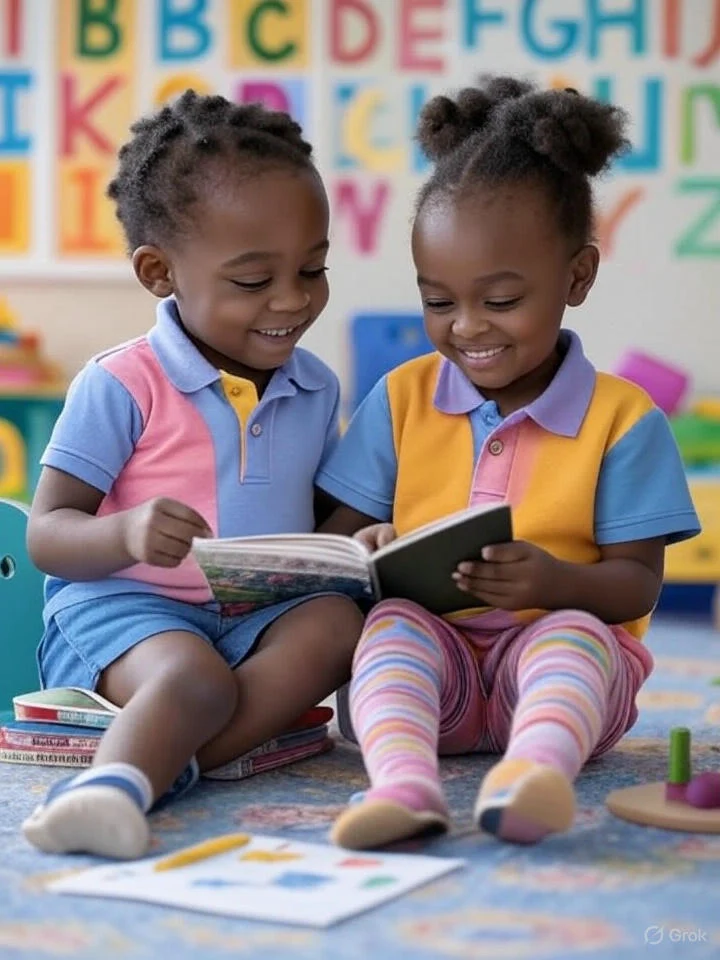
- Understand print concepts like holding a book correctly and turning pages 📖
How Parents Can Help:
- Read aloud daily to foster listening skills and vocabulary 📚
- Play alphabet games , sing songs, or use magnetic letters 🎲
- Incorporate sorting and counting during play or chores (e.g., sorting toys by color or counting fruit at the grocery store) 🛒
- Expose children to rhyming books and nursery rhymes , which support phonological awareness 🐸📘
Source : Understood.org
😊 Social and Emotional Skills: Navigating Relationships and Feelings
Kindergarten is a child’s first real experience with group dynamics and peer relationships 👫. Strong social-emotional skills enable kids to manage emotions, make friends, and follow directions.
Key Skills Include:
- Sharing materials and taking turns 🤝
- Managing frustration and expressing feelings appropriately 😢➡️😊
- Following classroom rules and routines ✅
- Separating from caregivers with minimal distress 🙋♀️👋
- Showing curiosity and enthusiasm for learning 🤔✨
Encouraging Development:
- Use games like Simon Says or Red Light, Green Light to teach self-regulation and impulse control 🚦🛑
- Engage in storytelling or role-playing to explore emotions and empathy 🧸🎭
- Encourage group activities or playdates to build communication and cooperation 👨👩👧👦
Source : Child Mind Institute
🧍 Physical and Motor Skills: Supporting Academic and Social Tasks
Motor skills are essential for writing 🖍️, art 🎨, physical education 🏃♂️, and managing everyday tasks.
Fine Motor Skills:
- Holding a pencil or crayon correctly ✍️
- Using scissors with control ✂️
- Copying simple shapes like circles or lines ○▢
- Drawing recognizable pictures and attempting to write their name ✍️📄
Gross Motor Skills:
- Running 🏃♀️, jumping 🪂, climbing stairs independently 🧗♂️
- Balancing on one foot or walking heel-to-toe 🕊️
- Catching and throwing a ball ⚾
Activities to Try:
- Provide arts and crafts stations with crayons, glue, and paper 🎨
- Encourage playdough modeling or lacing beads for finger strength 🧶
- Promote outdoor play—climbing, running, and playing catch to strengthen coordination 🌳
Source : Understood.org
🧼 Self-Care and Independence: Building Confidence
Children who can care for themselves feel more confident and less anxious in school settings 🧸🧷🧼.
Essential Self-Care Skills:
- Using the bathroom independently and washing hands afterward 🚻🧼
- Dressing and undressing without assistance 👕👖 (including zippers and Velcro)
- Managing personal belongings (hanging coats, putting away backpacks) 🎒🎒
- Following two- or three-step directions 🧾 (e.g., “Get your shoes and come here”)
Tips for Parents:
- Practice dressing and hygiene routines at home 🧴👟
- Involve children in simple chores like setting the table or cleaning up toys 🧹🍽️
- Use visual charts or timers to guide transitions between activities 📆⏱️
Source : Kidcentraltn.com
🧠 Approaches to Learning: Fostering Curiosity and Focus
According to the National Center for Education Statistics (NCES) , certain learning behaviors predict success in reading, math, and science by second grade 📊📈.
Important Behaviors Include:
- Paying attention for 5–20 minutes at a time 🧘♀️⏳
- Persisting in tasks even when they’re challenging 💪
- Showing eagerness to learn and ask questions ❓🙋
- Adapting to changes in routine or expectations 🔄
Encouragement Strategies:
- Establish consistent daily routines for meals, reading, and bedtime 🕰️
- Use games like I Spy or scavenger hunts to build focus and observation 🔍
- Praise effort and perseverance, not just outcomes 🏆👏
Source : NCES.ed.gov
🏠 Supporting Kindergarten Readiness at Home
Every child develops at their own pace, and readiness gaps are normal 🌱. If parents have concerns, consulting a preschool teacher or pediatrician is recommended 👨⚕️👩🏫.
Everyday Learning Opportunities:
- Reading together daily strengthens language and bonding 📖❤️
- Rhyming and word games improve phonemic awareness 🎵
- Sorting laundry or organizing toys builds categorization and motor skills 🧺🧷
Educational Resources:
- Scholastic Early Learners workbooks for pre-K math and literacy 📗📘
- Online tools like Genie Academy for interactive skill-building 🖥️🧠
Source : Scholastic.com, Genieacademy.com
✅ Conclusion: A Holistic Approach to Readiness
Preparing for kindergarten isn’t about checking off every skill—it’s about fostering growth across all developmental areas 🌈. By encouraging academic basics, emotional regulation, physical coordination, and independence through play and daily interactions, parents can set their children up for a smooth and joyful transition into school 🎉🎓.
A child who enters kindergarten with a strong foundation of skills is more likely to feel confident 🧒💪, curious 🤔, and ready to learn 📝—a powerful start to a lifelong journey of education 🌟📚.
🔗 References